

-
2026-02-25 2026-02-25
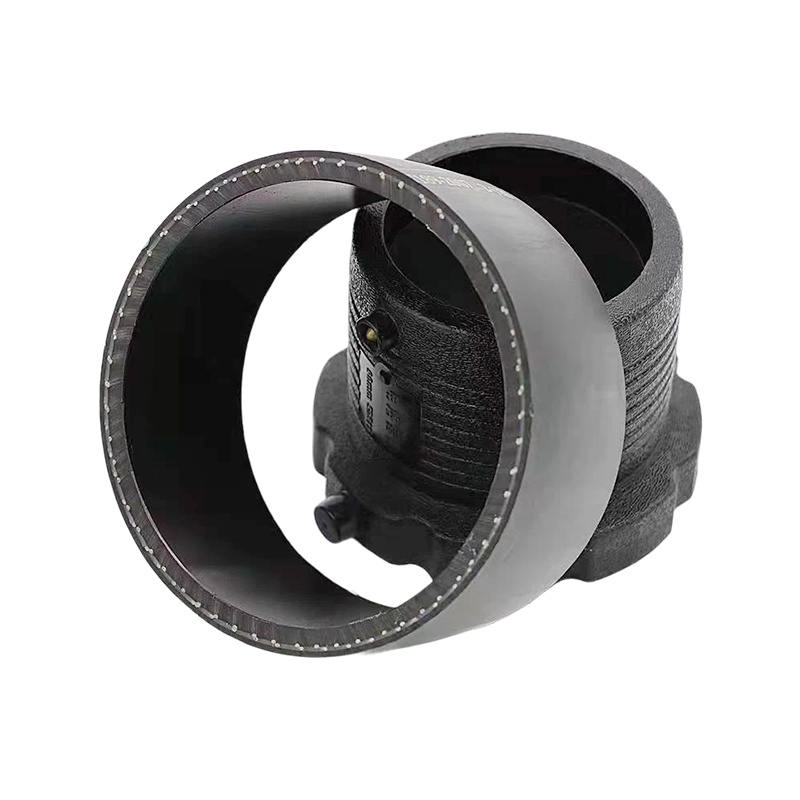
How to solve compatibility issues when connecting PVC drainage pipes to pipes made of other materials?
When making mechanical connections, bolts must be tightened according to the torque value recommended by the manufacturer to avoid leakage due to excessive looseness or damage to the threads due to excessive tightness. -
2026-02-11 2026-02-11
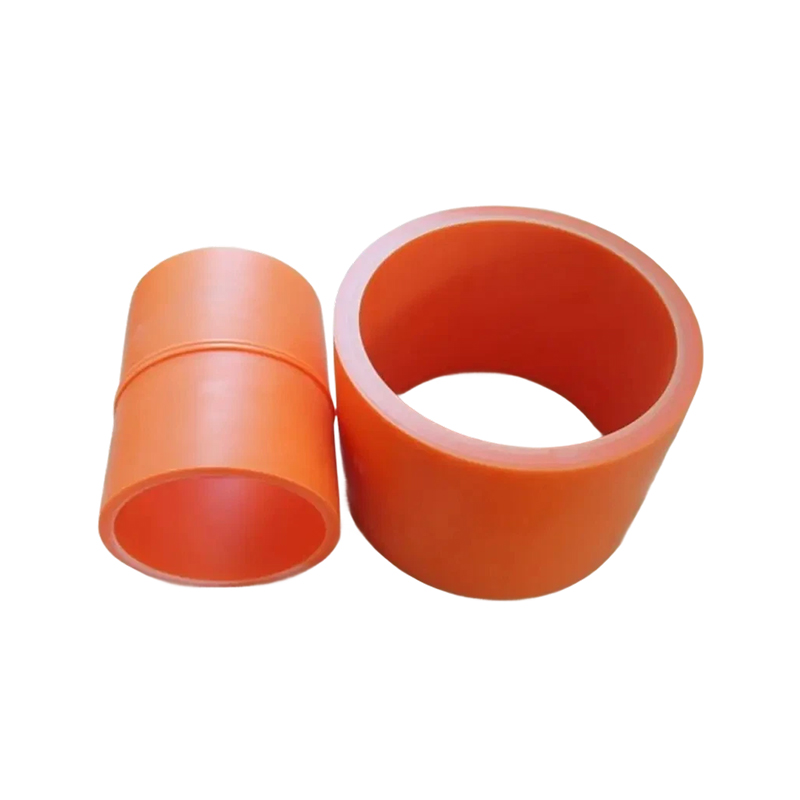
How can MPP power cable protection tubes achieve long-term resistance to temperatures above 90℃ using modified polypropylene materials?
MPP power cable protection tubes, with their excellent high-temperature resistance, external pressure resistance, and insulation properties, have become the preferred material for laying medium and low voltage cables below 10kV. -
2026-01-28 2026-01-28
How does the PVC seven-hole plum blossom tube, with its unique structure, enable efficient layout of modern underground pipelines?
In the crisscrossing "neural network" of urban underground infrastructure, communication optical cables, power cables, and low-voltage systems act like the city's blood vessels, silently supporting information flow and energy supply. -
2026-01-14 2026-01-14
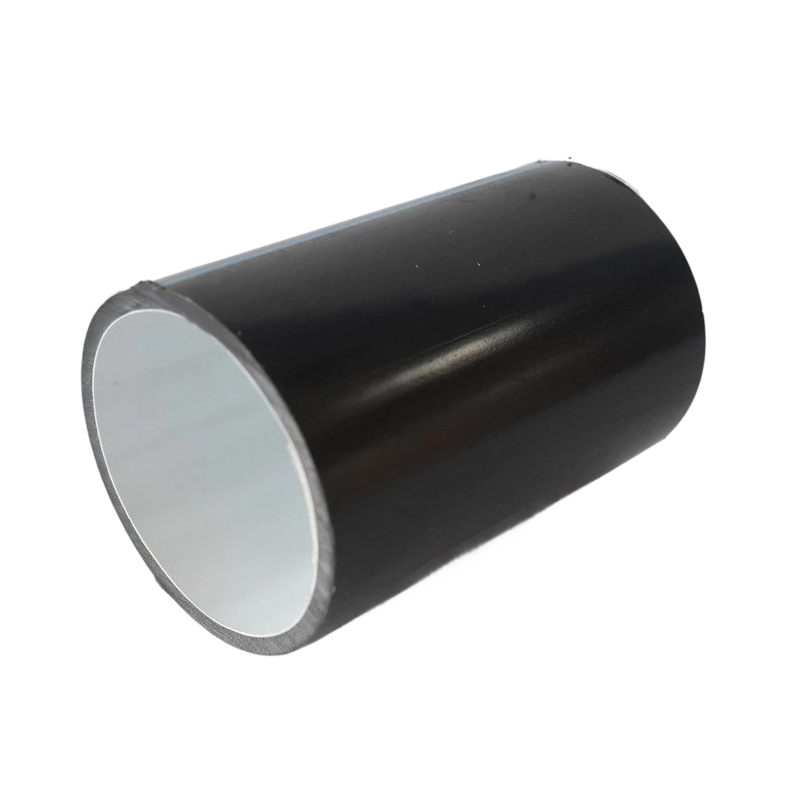
How do PVC drainage pipes maintain excellent corrosion resistance in environments with prolonged contact with sewage and chemicals?
PVC drainage pipes, with their excellent chemical inertness and stable molecular structure, demonstrate long-lasting and reliable service capabilities in various corrosive environments, making them the preferred material for drainage systems. -
2025-12-31 2025-12-31
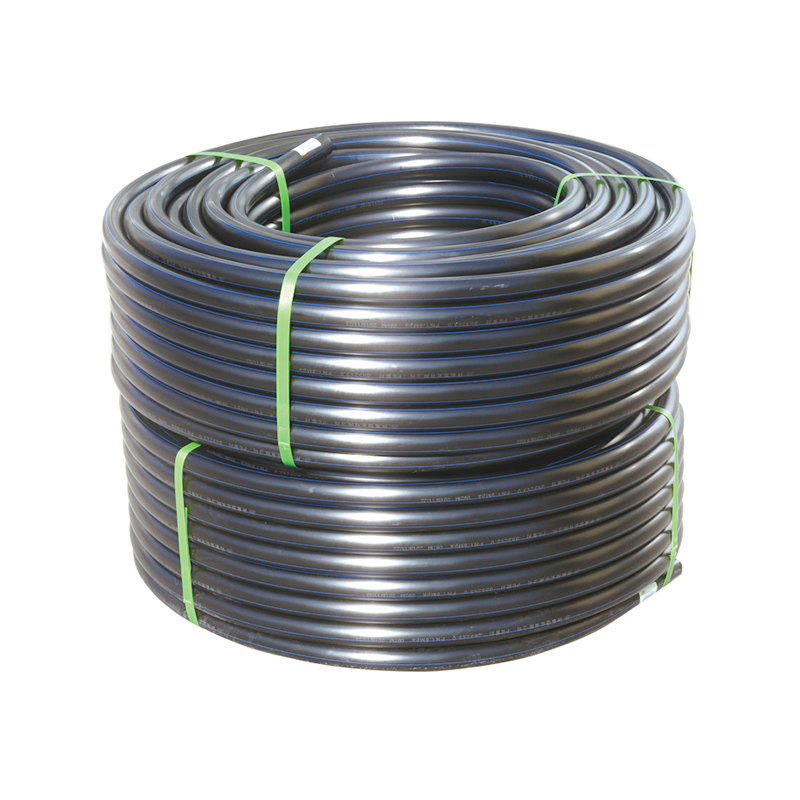
What are the precise temperature control requirements for the extruder during the production of PE pipes?
The cooling stage is the key step in the transformation of the pipe from a molten state to a solid state, and its cooling rate and temperature gradient need to form a closed loop with the extruder temperature control. -
2025-12-17 2025-12-17
Why can PVC drainage pipes effectively reduce drainage noise and improve residential comfort?
The effective reduction of drainage noise by PVC drainage pipes is not due to a single factor, but rather the result of the combined effects of material physical properties, optimized fluid mechanics, and system engineering design.
