


How does the silicon core tube reduce frictional resistance during fiber optic cable laying through its inner wall silicon solid lubricant layer?
Release Time : 2026-03-09
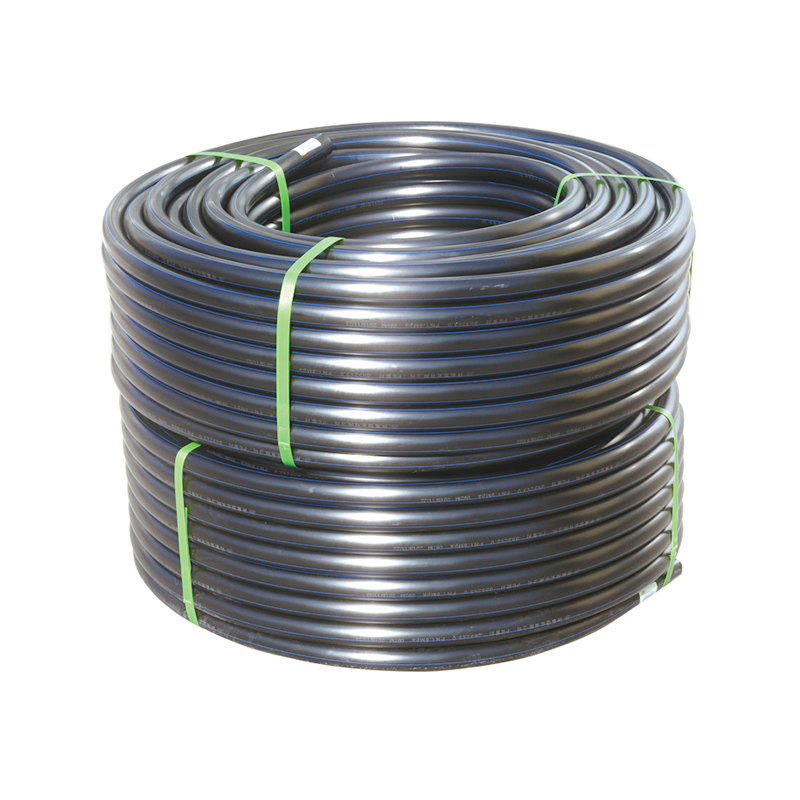
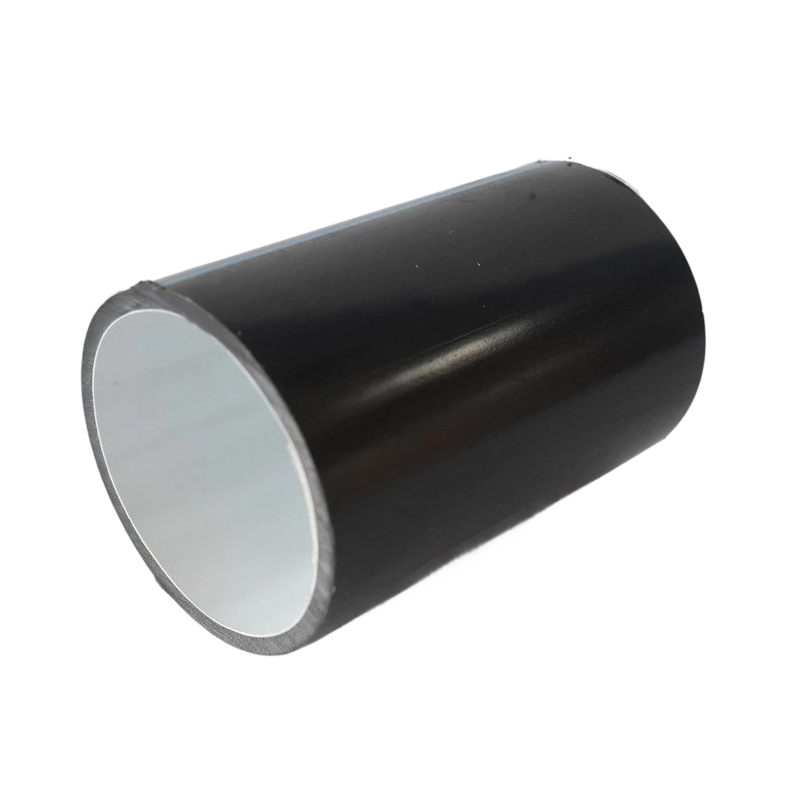
In modern communication network construction, fiber optic cables, as a crucial carrier of information transmission, are widely used in highways, railways, and urban communication infrastructure. During fiber optic cable laying, the protective conduit not only needs good strength and sealing performance but also needs to ensure the smooth and rapid laying of the cable. Silicon core tubes, as a new type of composite pipe, offer significant advantages in fiber optic cable laying due to their inner wall coating with a silicon solid lubricant. This pipe is typically made from high-density polyethylene as the main raw material, manufactured through a multi-layer composite extrusion process, and features a low coefficient of friction, good corrosion resistance, and high construction efficiency. The inner wall silicon solid lubricant layer plays a crucial role in reducing frictional resistance, making fiber optic cable laying smoother and more efficient.
1. Low Coefficient of Friction Improves Laying Efficiency
The silicon solid lubricant coating on the inner wall of the silicon core tube has a very low coefficient of friction, which significantly reduces the resistance encountered by the fiber optic cable as it moves within the conduit. When optical cables are laid using traction or air blowing methods, the lubrication layer reduces friction between the cable's outer sheath and the conduit wall, allowing the cable to move more smoothly within the conduit. Lower frictional resistance not only reduces the traction force required during construction but also increases laying speed, significantly improving overall construction efficiency.
2. Uniform Lubrication Structure Ensures Long-Term Stability
The lubrication layer of the silicon core tube is not simply attached to the tube wall surface but is integrated with the inner wall of the tube during the manufacturing process using composite extrusion technology. This structure allows the silicone solid lubricant to be evenly distributed across the entire inner wall surface, maintaining stable performance over long-term use. Even after multiple cable laying operations, the lubrication effect remains excellent, ensuring the conduit maintains low frictional resistance during long-term use.
3. Reduced Cable Wear Protects Communication Lines
During optical cable laying, high friction on the conduit wall can easily cause wear on the cable's outer sheath, affecting the safety of the communication line. The lubrication layer on the inner wall of the silicon core tube effectively reduces direct friction between the cable and the conduit wall, making the cable move more smoothly. This not only reduces resistance during laying but also minimizes damage to the fiber optic cable surface, thus better protecting the stable operation of communication lines.
4. Suitable for Long-Distance Laying Projects
In the construction of highways, railways, and urban communication networks, fiber optic cables often need to be laid over long distances. Ordinary ducts may suffer from excessive frictional resistance during long-distance construction, affecting construction efficiency. However, silicon core tubes, due to their excellent inner wall lubrication properties, can significantly reduce the resistance of the fiber optic cable within the duct. This allows the fiber optic cable to be laid smoothly over longer distances, reducing the number of intermediate splicing points and improving the overall reliability of the communication line.
Silicon core tubes effectively reduce frictional resistance during fiber optic cable laying by incorporating a silicon solid lubrication layer on their inner wall. The low coefficient of friction, stable lubrication structure, excellent protection of the fiber optic cable, and suitability for long-distance construction make silicon core tubes play a crucial role in the construction of fiber optic communication networks.
1. Low Coefficient of Friction Improves Laying Efficiency
The silicon solid lubricant coating on the inner wall of the silicon core tube has a very low coefficient of friction, which significantly reduces the resistance encountered by the fiber optic cable as it moves within the conduit. When optical cables are laid using traction or air blowing methods, the lubrication layer reduces friction between the cable's outer sheath and the conduit wall, allowing the cable to move more smoothly within the conduit. Lower frictional resistance not only reduces the traction force required during construction but also increases laying speed, significantly improving overall construction efficiency.
2. Uniform Lubrication Structure Ensures Long-Term Stability
The lubrication layer of the silicon core tube is not simply attached to the tube wall surface but is integrated with the inner wall of the tube during the manufacturing process using composite extrusion technology. This structure allows the silicone solid lubricant to be evenly distributed across the entire inner wall surface, maintaining stable performance over long-term use. Even after multiple cable laying operations, the lubrication effect remains excellent, ensuring the conduit maintains low frictional resistance during long-term use.
3. Reduced Cable Wear Protects Communication Lines
During optical cable laying, high friction on the conduit wall can easily cause wear on the cable's outer sheath, affecting the safety of the communication line. The lubrication layer on the inner wall of the silicon core tube effectively reduces direct friction between the cable and the conduit wall, making the cable move more smoothly. This not only reduces resistance during laying but also minimizes damage to the fiber optic cable surface, thus better protecting the stable operation of communication lines.
4. Suitable for Long-Distance Laying Projects
In the construction of highways, railways, and urban communication networks, fiber optic cables often need to be laid over long distances. Ordinary ducts may suffer from excessive frictional resistance during long-distance construction, affecting construction efficiency. However, silicon core tubes, due to their excellent inner wall lubrication properties, can significantly reduce the resistance of the fiber optic cable within the duct. This allows the fiber optic cable to be laid smoothly over longer distances, reducing the number of intermediate splicing points and improving the overall reliability of the communication line.
Silicon core tubes effectively reduce frictional resistance during fiber optic cable laying by incorporating a silicon solid lubrication layer on their inner wall. The low coefficient of friction, stable lubrication structure, excellent protection of the fiber optic cable, and suitability for long-distance construction make silicon core tubes play a crucial role in the construction of fiber optic communication networks.